
Let’s be honest. The weather isn’t what it used to be. You know it, I know it. From hurricane-force winds and torrential downpours to blistering heat domes and hail the size of golf balls, our homes are taking a beating. And the first line of defense? Your roof.
It’s not just about shingles anymore. It’s about building a shield. A climate-resilient roof is a system—a thoughtful combination of design, material, and installation meant to withstand whatever the sky throws at it. Here’s the deal on how modern roofing is evolving to meet the challenge.
Why “Code Minimum” Isn’t Enough Anymore
Building codes are a great baseline, sure. But they’re often playing catch-up with climate reality. A code-compliant roof in a high-wind zone might be rated for 90 mph winds. But what happens when the new normal brings 110 mph gusts? That gap is where failure—and massive expense—lives.
Resilient roofing means building beyond code. It’s an investment in durability, insurance deductibles you hopefully never have to pay, and, frankly, peace of mind. Think of it like this: you wouldn’t wear flip-flops on a mountain hike. So why armor your home with the bare minimum?
Materials Built for the Battle
Metal Roofing: The Heavyweight Contender
Metal is having a major moment, and for good reason. It’s incredibly versatile against multiple threats. A well-installed standing seam metal roof can handle winds that would peel asphalt shingles off like a banana. It sheds snow and rain effortlessly. And it reflects solar radiant heat, which can cut cooling costs by a significant margin—up to 25% in some cases.
The key is in the seams. Standing seam systems, where panels lock together and fasteners are hidden, are far superior to exposed fastener panels for weather-tightness. They allow for thermal expansion and contraction, too, which is crucial in wild temperature swings.
Impact-Resistant Asphalt Shingles
Not ready to go full metal? Asphalt tech has come a long way. Look for shingles rated Class 3 or 4 for impact resistance (UL 2218 standard). These are tested to withstand a 2-inch steel ball dropped from 20 feet—simulating serious hail. They’re often reinforced with polymer-modified asphalt or rubber, making them less brittle and more flexible.
And for wind, the magic number is the ASTM D3161 wind resistance rating. Don’t just settle for 110 mph. Products are now available rated for 130 mph and even 150 mph. That rating is useless, though, if the installation isn’t perfect. Which brings us to…
Synthetic & Composite Slates
Want the look of slate or cedar shake without the weight or fragility? Synthetic composites are a brilliant solution. Made from engineered polymers and recycled materials, they’re incredibly tough—highly impact-resistant, fire-resistant, and impervious to moisture, mold, and insect damage. They’re also much lighter than real stone, putting less stress on your home’s structure.
Design is Half the Fight
The best material in the world can fail if the design sets it up for it. Climate-resilient roofing design is about managing energy and water with intention.
Steeper Slopes & Streamlined Shapes
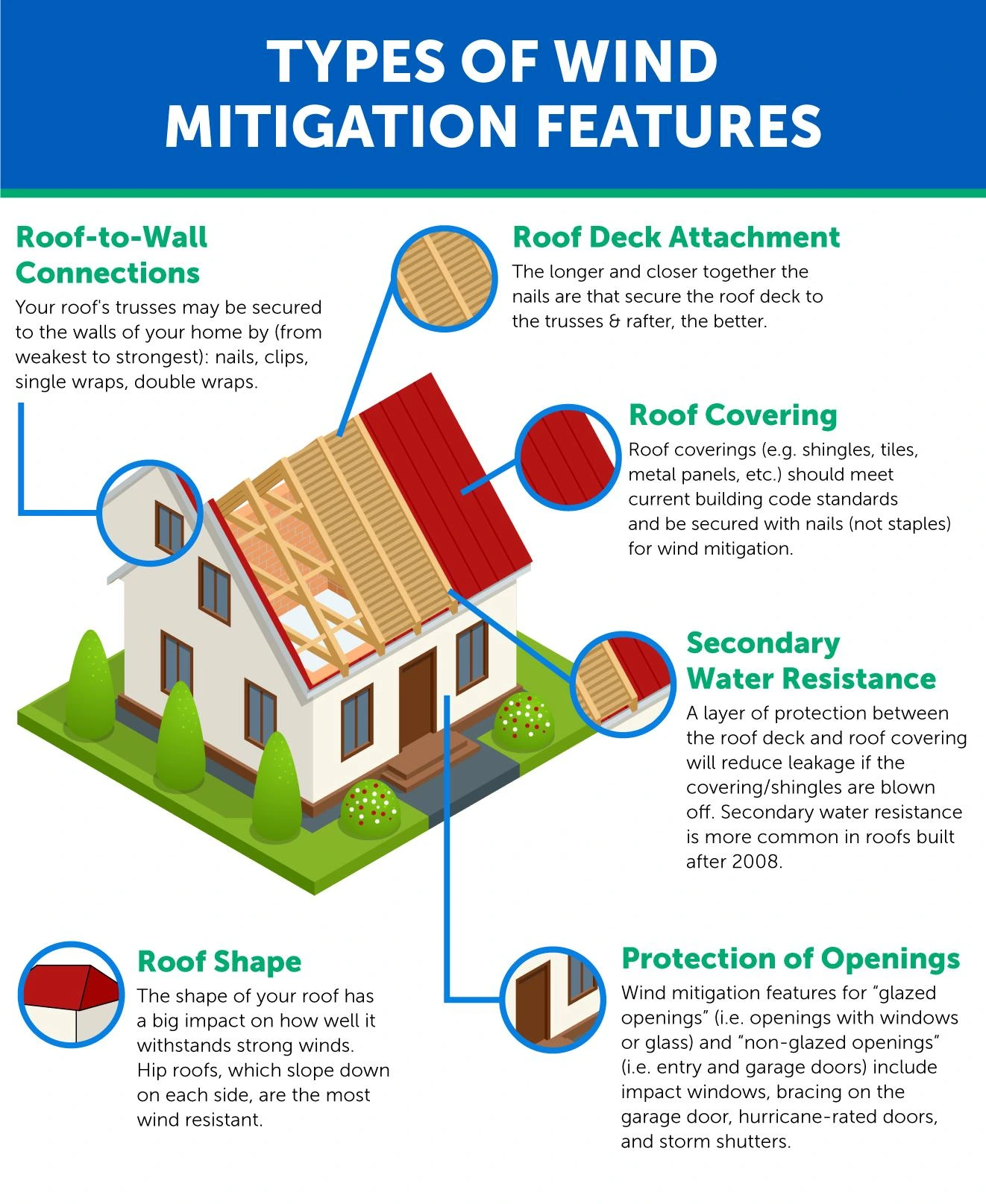
Wind doesn’t like sharp edges. It gets underneath, lifts, and tears. A hip roof (with slopes on all four sides) performs much better in high winds than a simple gable roof. The sloped planes deflect wind upward. Steeper pitches also help shed water and snow load faster, reducing the risk of ponding or collapse.
The Critical Importance of the Roof Deck
This is the unsung hero. That plywood or OSB sheathing needs to be a monolithic, strong diaphragm. The gold standard? Sealed roof decks.
This involves using a peel-and-stick waterproofing membrane (like ice and water shield) over the entire deck, not just the eaves and valleys. It creates a secondary water barrier. If wind-driven rain gets past your shingles or a hail strike creates a tiny puncture, the water hits this membrane and is directed to the gutters. It’s a game-changer for preventing interior damage.
Fortified Attic & Ventilation Systems
A resilient roof manages temperature and pressure. Proper, balanced ventilation prevents ice dams in winter and super-heated attics in summer—both of which degrade materials prematurely. And in a hurricane or tornado, a wind-rated, fortified attic vent can prevent pressurization that literally pops the roof off the house.
Matching the Solution to the Threat
| Primary Threat | Priority Material/Design Focus | Key Consideration |
| High Wind & Hurricanes | Metal (standing seam), Hip roof design, Enhanced fastening (longer nails, more of them), Sealed roof deck. | Wind uplift rating (ASTM D3161). Focus on how the roof is attached as much as what it’s made of. |
| Large Hail | Class 4 Impact-resistant shingles, Metal (certain profiles), Synthetic slate. | UL 2218 Impact Rating. Avoid materials that become brittle with age or UV exposure. |
| Wildfire (Ember Ignition) | Metal, Clay/concrete tile, Class A fire-rated asphalt, Clean roofs with no debris. | Embers collect in valleys and gutters. Use non-combustible gutter guards and keep surfaces clear. |
| Heavy Snow & Ice | Strong structural support, Steeper pitch, Ice & Water shield in valleys/eaves, Heated cables for critical areas. | Know your local ground snow load requirement and ensure your roof structure meets or exceeds it. |
| Extreme Heat & UV | Light-colored/metal “cool roofs”, Proper attic ventilation, Radiant barrier under sheathing. | Solar Reflectance Index (SRI) value. A high SRI means the roof reflects more sun and emits absorbed heat. |
Making It Real: The Installation Imperative
All this talk of materials and design… it hinges on one thing: the installer. A climate-resilient roof is only as good as its installation. You need a contractor who understands these principles, not just someone slapping on shingles as fast as possible.
Ask pointed questions: Will you seal the entire deck? What fastening pattern and nail length will you use for my wind zone? Can you provide the manufacturer’s warranty and proof of installation certification? Honestly, the right roofer will light up talking about these details. The wrong one will give you a blank stare.
It costs more upfront. Of course it does. But weigh that against the cost of a single major repair, the headache of an insurance claim, or the unthinkable loss of your home’s contents. A resilient roof isn’t an expense; it’s the ultimate home insurance policy.
In the end, we’re not just building roofs anymore. We’re building foresight. We’re acknowledging that the climate conversation has moved from the global stage to our very doorsteps—or rather, to the overhang protecting them. The question isn’t really if extreme weather will come. It’s how ready your home will be when it does.


