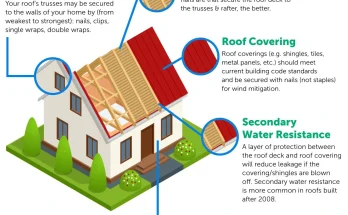
Let’s be honest. Your roof does a lot more than just keep the rain out. It’s your home’s first line of defense against the sun’s heat, winter’s chill, and, increasingly, your energy bill. Honestly, thinking of it as just shingles or tiles is a missed opportunity. Today, your roof can be an active, integrated system for saving money and energy.
Here’s the deal: true energy efficiency isn’t about slapping on one product. It’s about how the components work together. Think of it like a team—solar panels, the roofing surface itself, and the insulation in your attic. When they’re in sync, the performance is incredible. When they’re not? Well, you’re leaving comfort and cash on the table.
The Foundation: It All Starts with Insulation and Ventilation
Before we even talk about the outside, we have to look inside. Or rather, above. Your attic’s insulation and ventilation are the unsung heroes. They’re the quiet, steady players that make everything else shine.
Proper insulation acts like a thick, cozy blanket for your home. It slows the transfer of heat. In winter, it keeps warm air in. In summer, it keeps hot attic air from baking your living spaces. But—and this is a big but—insulation needs to breathe. That’s where ventilation comes in.
A well-ventilated attic allows hot air to escape in the summer. This prevents moisture buildup (which can lead to mold) and, crucially, stops your attic from becoming a solar oven. If you’re considering a cool roof or solar panels, a hot, stagnant attic undermines their effectiveness. You know, it’s like putting a high-performance engine in a car with no radiator.
Key Insulation Upgrades
- Air Sealing First: Plug gaps around lights, ducts, and chimneys before adding more insulation. This stops energy leaks.
- R-Value Matters: Aim for an R-value recommended for your climate zone. More is often better, but there’s a point of diminishing returns.
- Type of Insulation: Blown-in cellulose or fiberglass often provides better coverage in old attics than batts, which can leave gaps.
The Cool Roof: Your Reflective Shield
Now, let’s step outside. A cool roof is designed to reflect more sunlight and absorb less heat than a standard roof. It’s not necessarily white—though those are super effective—but it uses special pigments or reflective materials.
The benefit is direct and powerful. On a scorching day, a dark asphalt shingle roof can reach 150°F or more. A cool roof might stay 50+ degrees cooler. That thermal difference doesn’t just keep your attic cooler; it reduces the “heat island” effect around your home and lessens the strain on your air conditioner. In fact, the Department of Energy states cool roofs can lower peak cooling demand by 10-15%.
Cool roofing comes in many forms: reflective coatings you can apply over existing roofs, cool asphalt shingles, metal roofing with reflective paint, and even clay or concrete tiles. The integration point? If you’re planning for solar, a cooler roof means your panels operate more efficiently. Solar panels lose a bit of output as they get hotter. A cool roof creates a cooler microclimate for them to work in. A nice synergy, right?
Solar Integration: The Active Power Player
Solar panels are the glamorous part of the energy-efficient roof. They generate power. But their integration is about more than just mounting hardware.
First, there’s the timing question. Ideally, you coordinate a new roof installation with your solar panel installation. The last thing you want is to install a 25-year solar system on a 15-year-old roof. That means a costly dismantle and reinstall later. Plan them together.
Second, the type of roofing matters for solar installers. Composite shingles are standard. Standing seam metal roofs are fantastic—they often allow for clamp-on installations that don’t penetrate the roof surface. Tile roofs need special care and mounting systems.
But here’s a thought a lot of folks miss: solar and insulation are a dynamic duo. Your solar system reduces or eliminates the cost of electricity for cooling. Your top-notch insulation reduces the amount of cooling you need in the first place. This one-two punch means you can potentially size your solar system smaller, saving on upfront costs, because your home is so efficient.
Putting It All Together: A System, Not Just Parts
So, how does this all flow in the real world? Let’s walk through a scenario.
You have an older home with poor attic insulation and a dark, aging roof. You want to be more energy-efficient and add solar.
The optimal path might look like this:
- Audit & Seal: Get a professional energy audit. Air seal the attic floor and boost insulation to the recommended R-value. Ensure soffit and ridge vents are clear and functioning.
- Roof Replacement: Install a new, cool-rated roofing material. Choose a color and style that suits your home while maximizing reflectivity.
- Solar Installation: Mount your photovoltaic panels using an integrated mounting system designed for your new roof type. The installers will appreciate the solid, new substrate.
This sequence tackles the problem from the inside out. You fix the envelope, then the shell, then add the power generator. The result is a home that needs less energy, wastes less of what it uses, and produces its own clean power.
| Component | Primary Role | Key Integration Point |
| Insulation/Ventilation | Reduces heat transfer, manages moisture | Creates a stable base; prevents solar/cool roof gains from being lost to the attic. |
| Cool Roof | Reflects solar radiation, lowers surface temp | Improves solar panel efficiency; complements insulation by reducing thermal load. |
| Solar Panels | Generates electricity, provides shade | Must be timed with roof lifecycle; benefits from cooler roof surface temps. |
Final Thoughts: More Than a Roof Overhead
We often see our homes as collections of separate, disconnected systems. The plumbing, the electrical, the roof. But energy efficiency blurs those lines. It asks us to see the house as a whole, interconnected organism.
Your roof is transforming from a passive covering into an intelligent interface between your home and the environment. It shelters, yes. But it also reflects, insulates, and now, generates. Investing in this integrated approach isn’t just about today’s utility rebates or tax credits—though those help. It’s about building a home that’s resilient, cost-effective to run, and simply more comfortable to live in, season after season.
That quiet hum of your AC running less often, the lower number on your electric bill, the knowledge that your own little piece of the planet is working smarter… that’s the real payoff. And it all starts from the top down.